Top 5 Industries Benefiting from High Shear Mixer Design and Technology
High-shear mixing technology is changing the game for how products are made, from the lab to the production floor. With an innovative high shear...

Explore our full range of process equipment engineered for precision, performance, and durability. From industrial mixers and stainless steel tanks to custom mixing systems and mills, we deliver scalable solutions for every stage of your production process.


From air pollution control to advanced water treatment, Branch Environmental by MXD Process delivers engineered systems that help you meet environmental regulations and operational goals.

MXD Process offers end-to-end services—from custom fabrication and engineering to automation, lab testing, and equipment refurbishing—to bring your process to life and keep it running smoothly.

Access MXD Process resources including blogs, technical guides, manuals, and maintenance tips—everything you need to optimize, troubleshoot, and expand your process knowledge.
3 min read
When evaluating high-shear mixer equipment, these questions almost always surface: Is buying new really worth it? Would used or leased equipment be the smarter decision?
With rising equipment costs, tighter capital budgets, and increasing production demands, manufacturers are under pressure to make purchasing decisions that balance performance with financial responsibility.
Each option has advantages and trade-offs. The right decision depends on your mixing application, production goals, regulatory requirements, and long-term operational strategy. Below, we break down each path to help you make an informed investment.
New high-shear mixing equipment carries the highest initial investment. That cost reflects several key factors:
New systems are built to match your exact process parameters – taking these specifications into consideration:
Rotor/stator configurations, horsepower, tip speed, and vessel integration are engineered specifically for your application.
New equipment includes current safety standards, automation compatibility, and advanced control systems. These features improve operator safety, monitoring accuracy, and repeatability.
When purchasing new, you receive direct engineering guidance, installation support, and access to technical service. This reduces implementation risk and ensures the mixer performs as intended from day one.
Tight rotor/stator tolerances and precision manufacturing ensure optimal shear rates and consistent particle size reduction. This translates to improved product uniformity and reduced batch variability.
New systems include manufacturer warranties and service support, protecting your investment and reducing unexpected maintenance expenses.
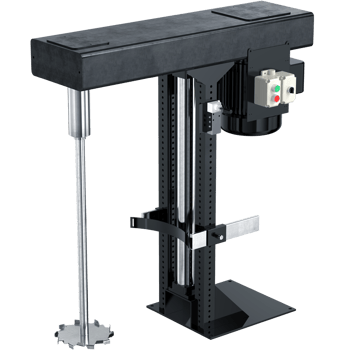
Whether you are producing emulsions, suspensions, dispersions, or high-viscosity formulations, new equipment is configured around your exact processing conditions.
For regulated industries such as food, pharmaceutical, and specialty chemical manufacturing, new equipment provides confidence in sanitary design, material traceability, and current safety standards.
While upfront cost is higher, new high-shear mixing equipment often delivers long-term value.
For facilities running critical, high-volume production, total lifecycle value often outweighs initial purchase price.
The market for used high-shear mixers continues to attract cost-conscious buyers, especially those managing tight capital budgets.
The primary appeal of purchasing a high-shear mixer used is reduced capital expenditure.
Used equipment may be available immediately, avoiding longer manufacturing lead times.
For R&D, test runs, or temporary capacity increases, used systems can serve as a short-term solution.
However, purchasing used high-shear mixer equipment carries inherent risks.
While upfront savings can be attractive, long-term reliability and performance consistency should be carefully evaluated.
Leasing offers a middle-ground approach for facilities managing capital constraints.
Leasing allows organizations to allocate funds toward other operational priorities.
Seasonal demand or short-term contracts may not justify purchasing equipment outright.
If long-term production is uncertain, leasing reduces long-term commitment.
Leasing can provide flexibility, but it is rarely the most economical long-term solution for core production lines.
|
|
Used Equipment |
Leasing |
New Equipment |
|
Upfront Cost |
Low |
Moderate |
High |
|
Reliability |
Variable |
Moderate |
High |
|
Warranty & Support |
Limited |
Contract-Based |
Full Manufacturer |
|
Compliance Readiness |
May Require Updates |
Varies |
Current Standards |
|
Customization |
Limited |
Limited |
Fully Engineered |
|
Long-Term Value |
Uncertain |
Higher Total Cost |
Strong Lifecycle ROI |
Each path serves a different operational strategy. The right choice depends on how critical the mixer is to your production process.
When selecting between used, leased, or new high-shear mixer equipment, ask these questions:
The most cost-effective decision is rarely about purchase price alone. It’s about lifecycle performance, reliability, compliance confidence, and operational stability.
By evaluating both immediate budget impact and long-term return, manufacturers can choose the solution that best supports their facility’s growth and production goals.

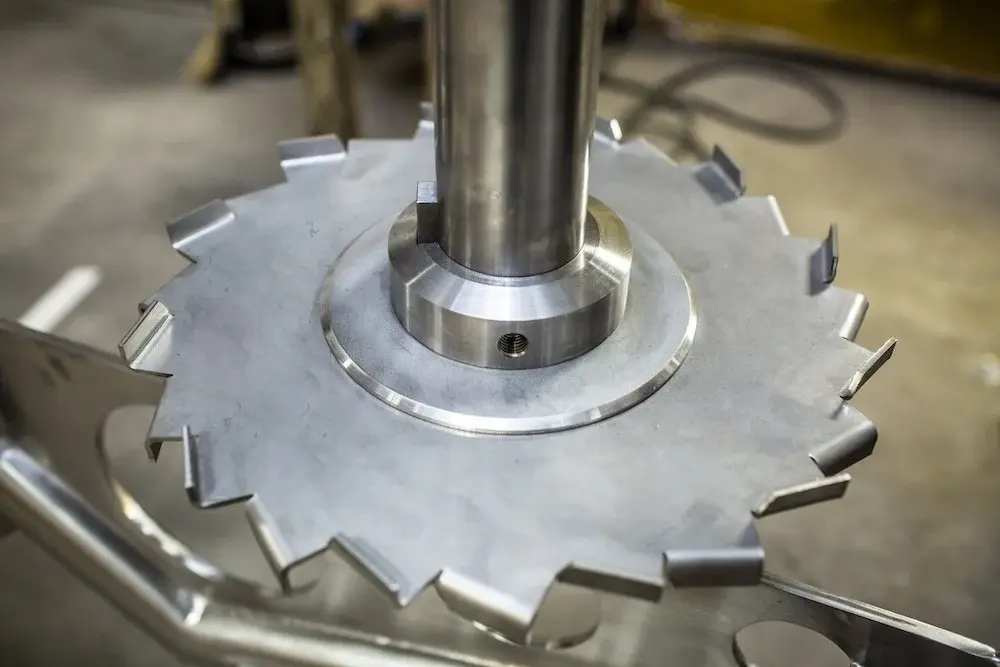
High-shear mixing technology is changing the game for how products are made, from the lab to the production floor. With an innovative high shear...
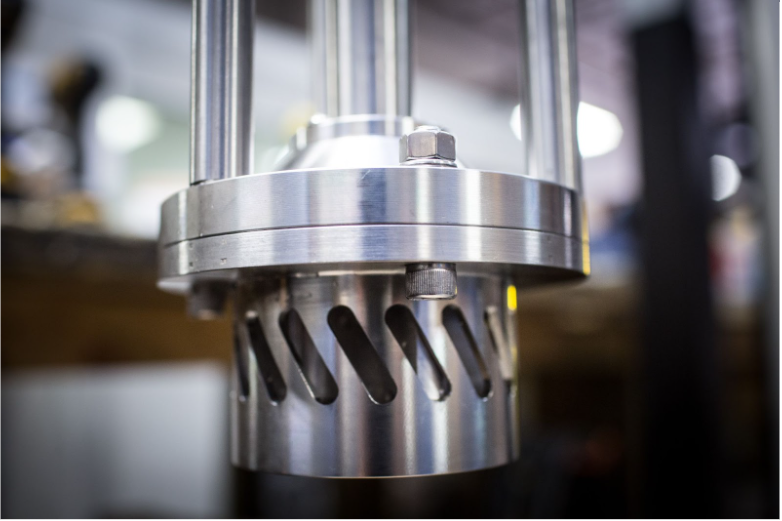
In the world of industrial mixing, efficiency and quality are paramount. Among the available mixing equipment, rotor stator mixers stand out for...