
Shear Rate vs. Viscosity: How They Impact Industrial Agitators
If you work with industrial mixers, you know the frustration of a batch that just won't come out right. Maybe the ingredients aren't blending fully,...

Explore our full range of process equipment engineered for precision, performance, and durability. From industrial mixers and stainless steel tanks to custom mixing systems and mills, we deliver scalable solutions for every stage of your production process.


From air pollution control to advanced water treatment, Branch Environmental by MXD Process delivers engineered systems that help you meet environmental regulations and operational goals.

MXD Process offers end-to-end services—from custom fabrication and engineering to automation, lab testing, and equipment refurbishing—to bring your process to life and keep it running smoothly.

Access MXD Process resources including blogs, technical guides, manuals, and maintenance tips—everything you need to optimize, troubleshoot, and expand your process knowledge.
3 min read
High-shear mixers are powerful tools in many industries for blending, emulsifying, and dispersing materials with precision. Whether you're creating smooth creams, finely dispersed particles, or stable emulsions, these powerful machines are designed to mix ingredients to the exact consistency you need.But what makes this technology so effective? The answer lies in its engineering — specifically, how key high shear mixer parts work in unison to generate intense shear forces.
Understanding the anatomy of a high shear mixer allows operators to optimize their processes and achieve consistent, high-quality results.
The high shear mixing process uses intense mechanical force to emulsify, homogenize, disperse, or reduce particle size. This force is generated when one component of the mixture moves at high velocity relative to a stationary or slower-moving component.
The greater the shear force, the more effectively particles are broken down. This results in finer dispersion, uniform mixing, and superior homogenization. To achieve this, specialized high shear mixing equipment is designed to withstand significant levels of stress and agitation.
While designs vary based on the intended application, high shear mixer parts generally consist of a few fundamental components that drive efficiency.
These typically include:
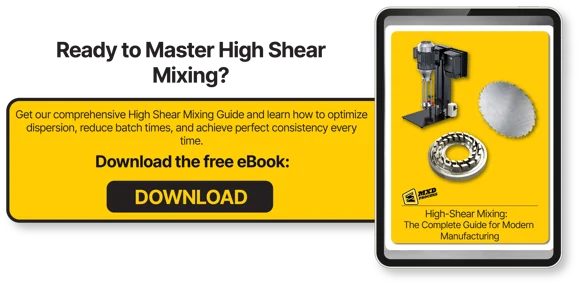
The rotor and stator are the defining components of a rotor stator mixer. Together, they create the necessary conditions for high shear processing.
The rotor, often functioning as a high-speed rotator mixer element, draws material into the assembly. It then centrifugally drives the material toward the periphery, where it meets the stationary stator. This mixer rotor stator interaction forces the product through narrow gaps or perforations at high velocity, subjecting it to intense mechanical and hydraulic shear. This mechanism is responsible for breaking down particles and creating stable emulsions.
Without blades and impellers creating shear force, the equipment would simply be an agitator. High shear mixer blades are critical to the efficiency of the mix.
The specific geometry of a high shear mixer blade or impeller influences the mixing intensity.
Designs featuring:
All that produce higher shear levels, making them ideal for fine emulsions or particle reduction. Conversely, broader shapes are better suited to lower-shear applications that require gentle agitation.
A solid motor really makes the difference for powering the rotor at the high RPMs required for shear generation. The motor's speed and horsepower directly influence mixing capacity, which is important when processing high-viscosity materials that resist flow.
High shear mixing equipment operates under immense stress, generating significant heat and pressure. High-quality seals and bearings are vital to ensure smooth operation and prevent material leakage. These components protect the motor and drive shaft from wear and tear, significantly extending the mixer's lifespan.
Modern high shear mixers often feature advanced control panels. These allow operators to adjust speed, mixing time, and other critical parameters to suit different formulations. Automated controls enable precise repeatability, ensuring that the desired product characteristics are achieved in every batch.
High shear mixers are widely used across industries such as food, pharmaceuticals, cosmetics, and chemicals. Each application demands specific performance characteristics, often requiring specialized blades.
|
For instance, Emulsifying blades are commonly used in the production of creams and lotions because they are designed to effectively blend immiscible liquids. |
On the other hand, dispersing blades are ideal for breaking down solid particles in applications like paint or ink manufacturing, ensuring a smooth, uniform texture. The choice of blade is crucial for achieving optimal results, as it directly impacts mixing efficiency and product quality.
Expert Insights: Optimizing Industrial Mixing with High Shear Mixer Blades
1. Why is the choice of blade important in mixing operations? 2. What are emulsifying blades used for? 3. When should dispersing blades be used? 4. Can the wrong blade affect the final product? |
By understanding the anatomy of your equipment — especially the role of high shear mixer blades and the rotor-stator assembly, you can make informed decisions that lead to better performance. Tailoring these components to your specific application ensures you maximize the efficiency of your manufacturing process.
Selecting the right mixing solution is complex, but you don't have to do it alone. At MXD Process, we specialize in engineering and manufacturing high-performance mixing equipment tailored to industrial applications.


If you work with industrial mixers, you know the frustration of a batch that just won't come out right. Maybe the ingredients aren't blending fully,...
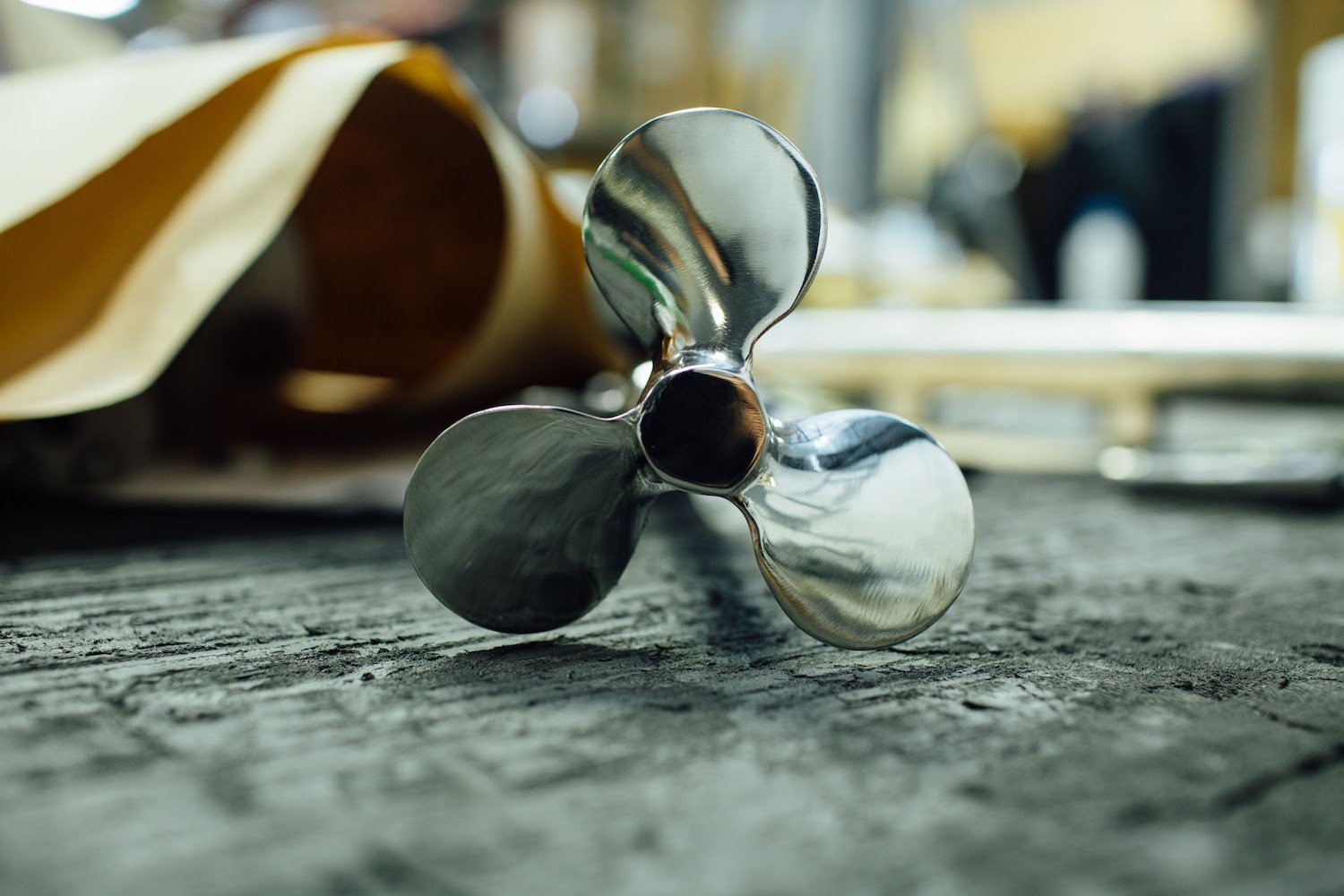
What is Low Shear Mixing? You have probably utilized low shear mixing and didn't even realize it. According to recent coffee statistics, half of...
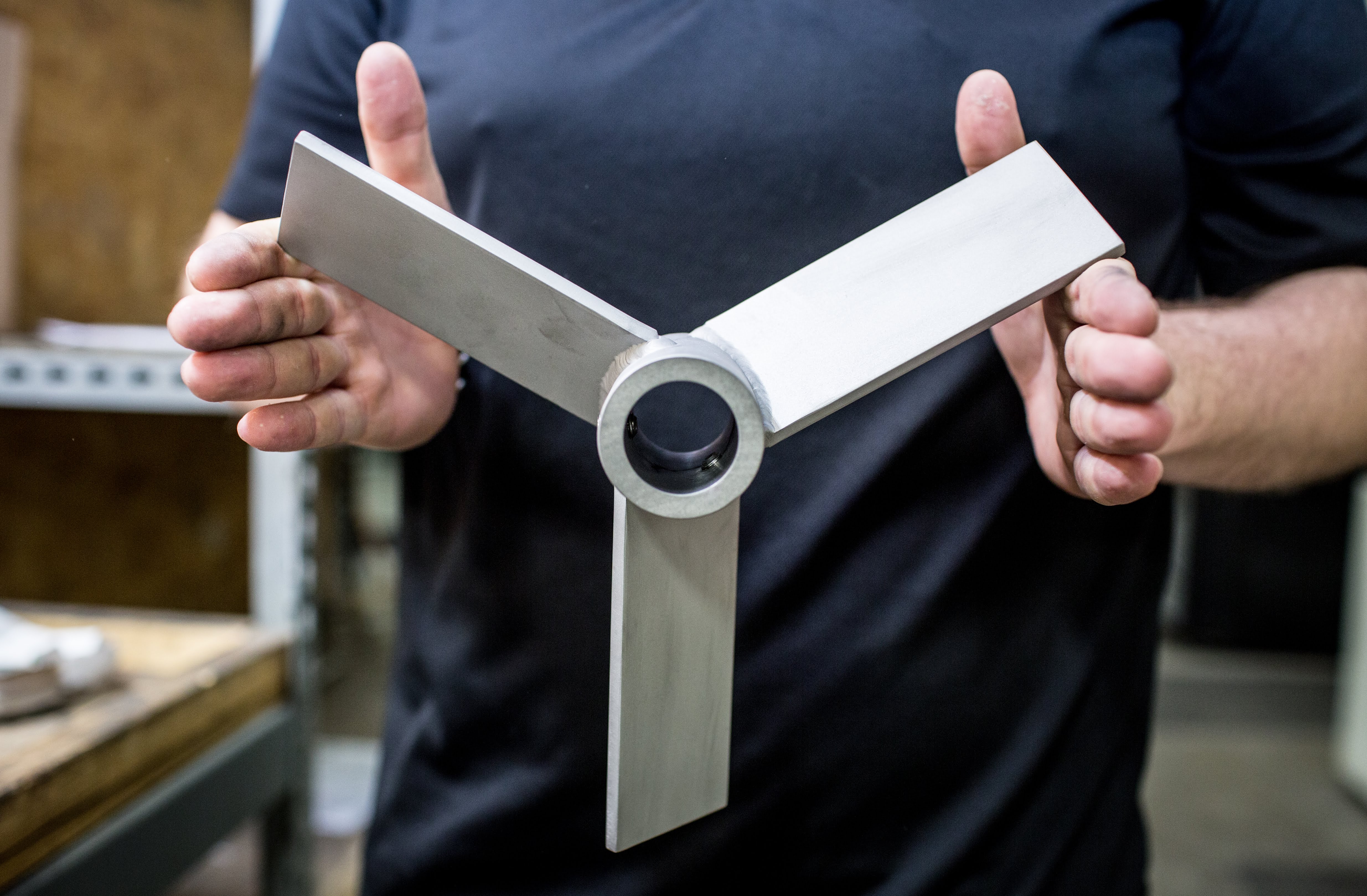
Today, mixing equipment has made liquid mixing processes more time and cost-efficient while delivering higher quality results than ever before. A...