Batch vs. Continuous Mixers: Which Industrial Mixer Is Right for You?
Ever wonder how industries keep up with the huge demand for everyday products? Industrial mixers are a big part of the answer. Whether it’s food,...

Explore our full range of process equipment engineered for precision, performance, and durability. From industrial mixers and stainless steel tanks to custom mixing systems and mills, we deliver scalable solutions for every stage of your production process.


From air pollution control to advanced water treatment, Branch Environmental by MXD Process delivers engineered systems that help you meet environmental regulations and operational goals.

MXD Process offers end-to-end services—from custom fabrication and engineering to automation, lab testing, and equipment refurbishing—to bring your process to life and keep it running smoothly.

Access MXD Process resources including blogs, technical guides, manuals, and maintenance tips—everything you need to optimize, troubleshoot, and expand your process knowledge.
3 min read
Selecting industrial mixing equipment is a critical decision for manufacturers. The performance of a mixer directly affects product quality, throughput, and operational efficiency. However, many manufacturers struggle with the same question early in the process: Do we need custom mixing equipment, or will an off-the-shelf solution be sufficient?
Pre-engineered mixers typically appear more affordable initially, while custom mixing equipment may require a higher initial investment. Understanding how these options differ and how those differences impact long-term performance is essential to making the right choice.
This article compares custom and off-the-shelf mixing equipment to help manufacturers evaluate which solution best aligns with their process requirements and production goals.
Off-the-shelf industrial mixing equipment refers to pre-engineered mixers and tanks designed for general use across a wide range of applications. These systems are produced in standard sizes and configurations, with fixed design parameters intended to accommodate common mixing requirements.
These standardized designs prioritize broad applicability rather than process-specific performance.
One of the main advantages of off-the-shelf mixing equipment is availability. Standard systems are often easier to source and can reduce lead times. Additionally, upfront costs are generally lower because engineering and customization are minimal.
Pre-engineered mixers are commonly used in applications with:
In these scenarios, standard equipment can meet basic mixing needs.
Although off-the-shelf mixers can work well in straightforward applications, limitations often emerge as process requirements become more demanding.
Because these systems are not designed around a specific formulation or production goal, they may fail to deliver optimal performance when material behavior or operating conditions vary.
Standardized tank sizes and impeller configurations also limit flexibility. Fixed designs may not account for high viscosities, settling solids, heat transfer needs, or specialized mixing sequences.
When industrial mixing equipment is not well matched to the application, manufacturers may experience:
Over time, these issues can significantly increase operating costs and reduce overall efficiency.
Custom mixing equipment is engineered specifically for a manufacturer’s materials, process requirements, and production goals. Rather than adapting the process to fit standard equipment, the equipment is designed to fit the process.
Custom systems account for variables such as material rheology, shear sensitivity, required mixing intensity, and production volume. This process-driven approach supports consistent and efficient operation.
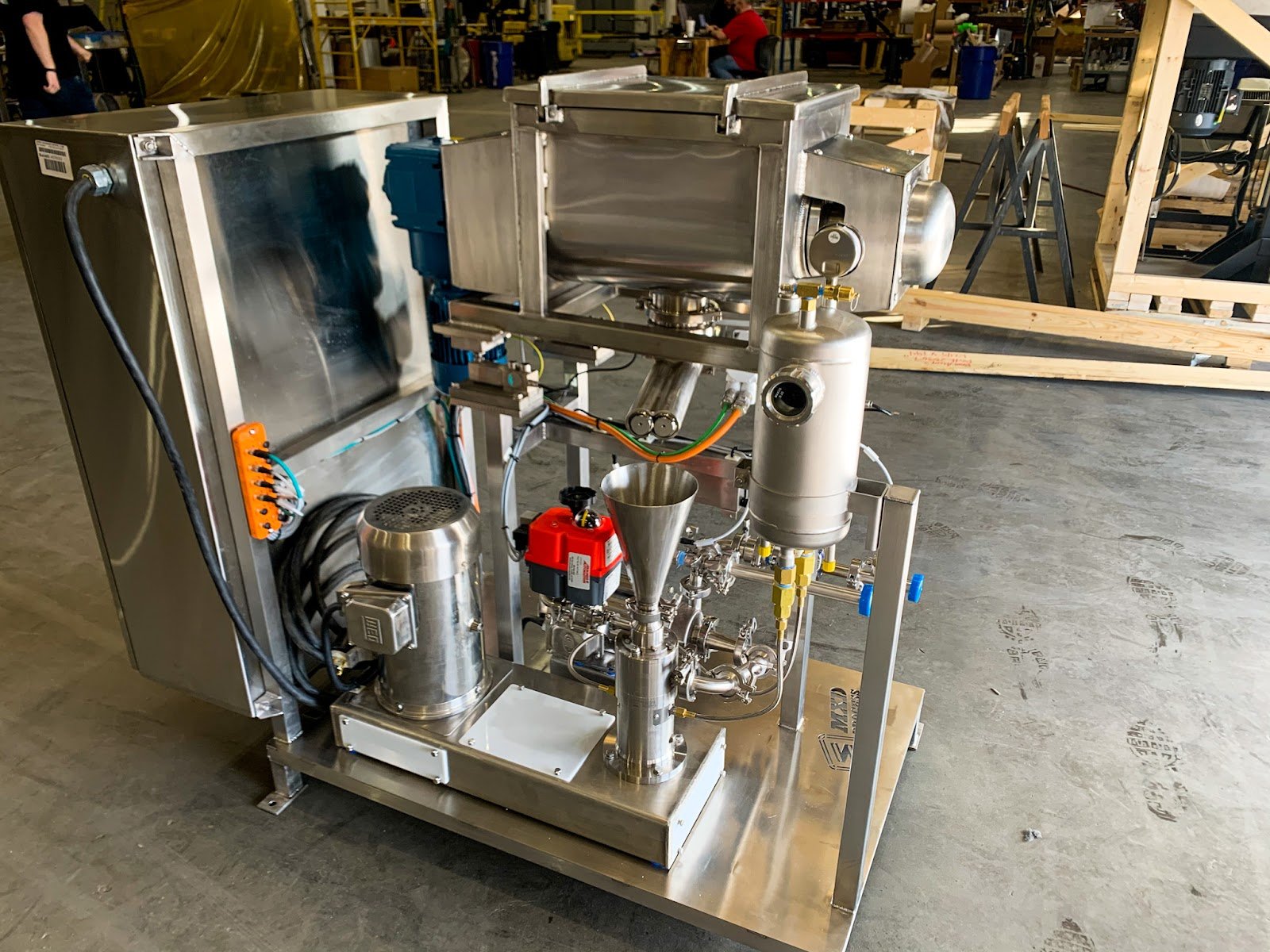
Customization includes:
Custom mixing equipment can also be designed to integrate seamlessly with upstream and downstream production systems, improving material flow and overall operational efficiency.
One of the primary benefits of customized mixing equipment is improved efficiency. Equipment designed for the application often achieves faster mixing, reduced cycle times, and higher throughput.
Custom mixing equipment also helps reduce batch-to-batch variation, supporting tighter quality control and more consistent product output.
Additional benefits include
For many manufacturers, these advantages make custom solutions a stronger long-term investment.
Off-the-shelf industrial mixing equipment typically requires a lower initial investment, while custom mixing equipment includes engineering and design tailored to the process.
Inefficient mixing can lead to higher operating costs through increased energy use, labor demands, and lost production time. These costs often outweigh initial savings.
When evaluated over the life of the equipment, custom mixing equipment frequently delivers a stronger return on investment by improving performance and reducing long-term costs.
Off-the-shelf equipment may be appropriate for simple and stable formulations, low sensitivity to process variables, and minimal quality variation requirements.
Custom solutions are often justified when:
Manufacturers should consider material properties, batch size requirements, and long-term production goals when selecting the right mixing equipment.
An experienced industrial mixer manufacturer provides application expertise that helps determine whether custom or off-the-shelf equipment is the best fit.
Application engineering and process testing help ensure the mixing equipment performs as expected under real-world operating conditions.
Ongoing support, system customization, and service capabilities help protect the investment and extend equipment life.
Both off-the-shelf and custom mixing equipment can serve important roles in manufacturing. Pre-engineered systems may work well for simple applications, but their limitations often become apparent as process complexity increases.
Custom mixing equipment offers greater control, efficiency, and long-term value by aligning equipment design with specific process requirements. When selecting industrial mixing equipment, manufacturers should evaluate efficiency, consistency, and long-term operational impact—not just upfront cost—to ensure lasting performance and reliability.


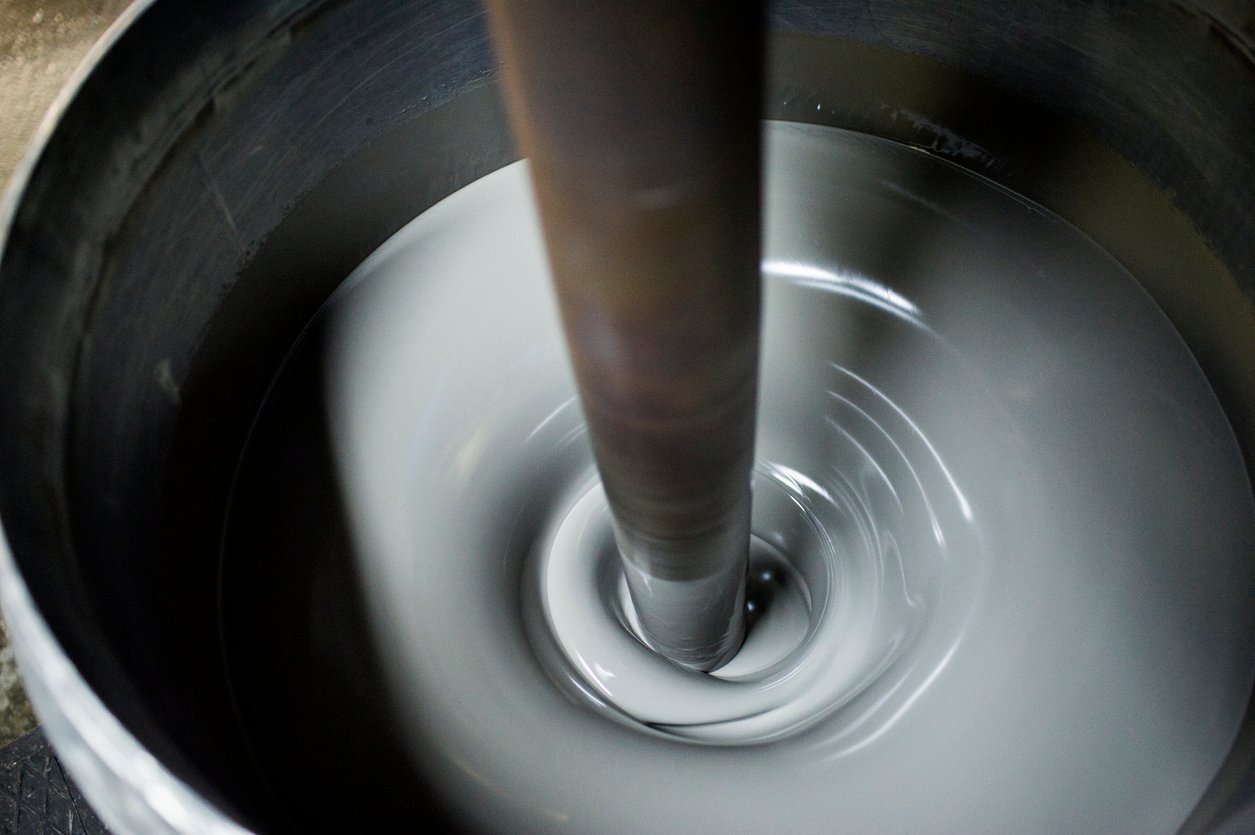
Ever wonder how industries keep up with the huge demand for everyday products? Industrial mixers are a big part of the answer. Whether it’s food,...
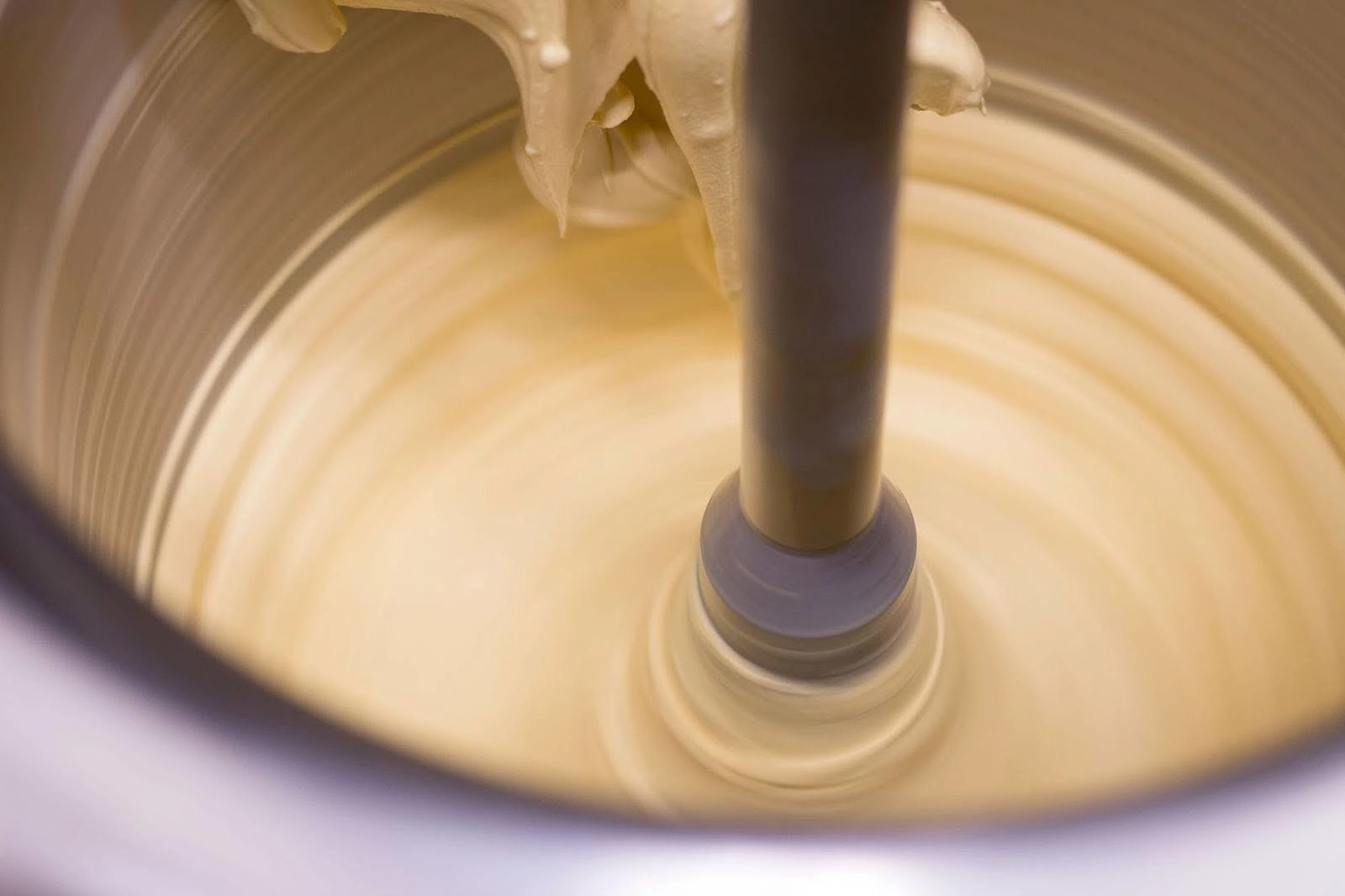
In manufacturing, mixing is rarely as simple as it sounds. Whether you're producing food products, adhesives, cosmetics, pharmaceuticals, or...

Choosing the right mixing equipment is crucial for efficient processing and product quality. One of the key factors influencing this choice is the...